The Forever Chemicals - Pt.1
The truth about PFAS and their hidden impact on our environment
Zainab Kermalli
Neuroscience & Non-Toxic Living

What are Forever Chemicals?
Forever Chemicals are extremely toxic fluorinated synthetic chemicals, such as PFAS/phthalates/PFOA. They never break down in the environment (due to very strong carbon-fluorine bond) and almost never leave the human body, and they are also water, oil/grease, and heat resistant.
Where are they found?
- Non-stick coatings (ex. Teflon)
- Non-stick cookware, paper/cardboard coatings on disposable cups/containers
- Stain resistant fabrics
- Stain/water resistant clothes/upholstery (ex. Scotchguard/Stainmaster
- Many personal care products and cosmetics
- Fragranced products, “dental floss, lotion, cleanser, foundation, lipstick, eyeliner, eyeshadow, water-proof mascara, nail polish and shaving cream” (EWG).
- Water supply, soil, air (from environmental toxins)
Why should I care?
- Various cancers (including pancreatic)
- Reproductive/fertility issues
- Low immunity in children
- Endocrine disruption (hormonal issues/imbalances, i.e. lower testosterone in men)
- Increased cholesterol
- Low birth weight
- Weight gain in both adults and children
- Developmental harm
- Reduced vaccine efficacy
- Decrease in bone mineral density
- Increased risk of Type 2 Diabetes
What can I do about it?
- Stainless steel, cast iron, carbon steel, and ceramic cookware.
- Limit consumption of hot food and drinks in disposable paper or plastic containers.
- Don’t wear/use stain/water-resistant clothing and upholstery.
- Drink filtered water (use water filters that remove PFAS)
- Check your personal care products on EWG’s website to see if they have PFAS/PFOA/phthalates, and switch to non-toxic perfumes/colognes
Ingredients to watch out for:
perfluorohexylethyl triethoxysilane, polytetrafluoroethylene (PTFE), tetradecyl aminobutyroylvalylaminobutyric urea trifluoroacetate, trifluoropropyl cyclotetrasiloxane, trifluoropropyl cyclopentasiloxane
See these Non-Toxic Products

100% Pasture-Raised Whipped Tallow Cream
Biomimetic stearic and oleic fatty acids that mirror natural human sebum. Formulated with zero synthetic emulsifiers, seed oils, or preservatives.
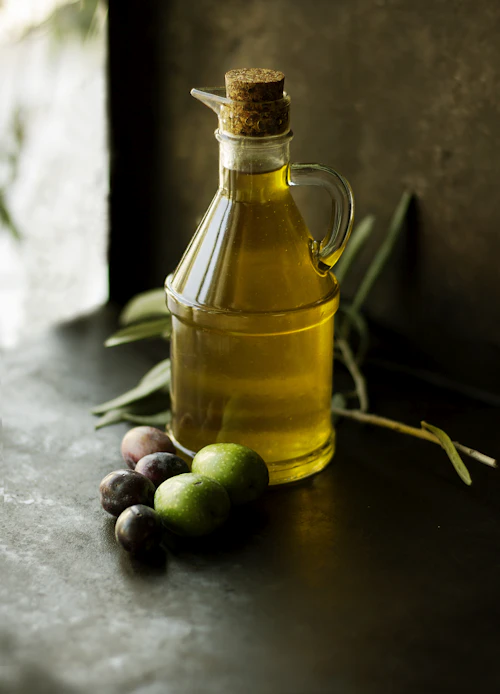
Single-Estate High-Polyphenol EVOO
Cold-pressed extra virgin olive oil with >450 mg/kg protective polyphenols, bottled in dark UV glass to guard against thermal lipid peroxidation.

5-Ply Clad Stainless Steel Skillet
18/10 surgical-grade stainless steel cooking surface. Eliminates synthetic fluoropolymer non-stick coatings and microplastic flaking.

Borosilicate Glass Storage Containers
Chemically inert food storage with food-grade silicone seals to prevent plasticizer and phthalate migration into dietary lipids and broths.
Share this Article
Pass along peer-reviewed insights on neurovascular health